


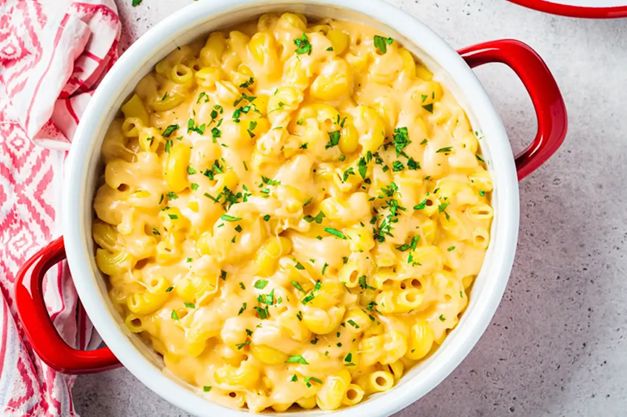
layers, or a simple grilled cheese sandwich, cheese adds flavor, texture, and an undeniable comfort factor. However, it’s also an ingredient that requires a little finesse. Mistakes can easily happen, especially when you’re in a rush or don’t have much experience cooking with cheese. But don’t worry, we’ve all made these mistakes at some point. Here’s a detailed look at five mistakes that everyone makes when cooking with cheese, and how to fix them for a better experience!
Melting Cheese at the Wrong Temperature
When it comes to melting cheese, temperature plays a crucial role. Overheat it, and you’ll have a greasy, stringy mess that clumps together. Undercook it, and the cheese will remain solid and won’t fully integrate into your dish. Cheese has a delicate balance of fats, proteins, and moisture that must be respected for it to melt properly.
Many people think they can just throw cheese into a hot pan or toss it onto a pizza and let the heat do its job. However, many cheeses, especially those with higher fat content, require slow and gentle melting. If the cheese gets exposed to high, direct heat, the fats can separate from the proteins, leading to an oily or curdled texture.
To melt cheese correctly, use low to medium heat. This is true whether you’re melting cheese on top of a casserole, stirring it into a pasta sauce, or grilling a sandwich. Here’s a breakdown of different methods:
- For sauces: If you’re making a cheese sauce, like for mac and cheese or nachos, always melt the cheese slowly over low heat or use a double boiler. The indirect heat will ensure that the cheese melts evenly without separating.
- For pizza or casseroles: Bake your dish in a preheated oven, but be mindful of time. Cheese should melt within 10–15 minutes at 350°F (175°C), depending on the thickness. If the cheese gets too brown or crispy, you risk losing its creamy texture.
Using the Wrong Cheese for the Job
Not all cheeses are created equal. Some cheeses melt beautifully, while others are better for grating or slicing. And while some cheeses have a mild flavor, others are pungent and sharp, which can overwhelm the other ingredients in a dish. A common mistake is thinking that any cheese will work in any dish, but the wrong cheese can ruin the entire flavor profile and texture.
Using the wrong type of cheese for a specific dish. For example, using Feta or Ricotta for a gooey, melted cheese experience (like pizza or grilled cheese) will lead to a disappointing result. On the flip side, using a low-moisture cheese like Parmesan in a dish that needs a melty cheese (like a mac and cheese) won’t create the desired creamy texture.
When choosing cheese, consider both the texture and the flavor. Here’s a quick guide to cheese selection:
- For melting: Choose cheeses with a high moisture content. Mozzarella is the classic choice for pizzas and lasagnas, while Gruyère, Fontina, Emmental, and Havarti melt well and are perfect for fondues, baked casseroles, and creamy sauces.
- For grating: Hard cheeses like Parmesan, Pecorino Romano, and Asiago work best when grated over pasta, salads, or soups. These cheeses have a dry, granular texture and a bold, salty flavor. When you buy natural cheese, you should search for the usage and possible dishes before you use it.
- For sandwiches, a grilled cheese requires a cheese that melts well but also retains some texture. Cheddar (mild or sharp) and Gruyère are common choices, but Havarti, Provolone, or Monterey Jack also work great.
Overcooking the Cheese
Overcooking cheese is easy to do, especially when you’re dealing with the heat of an oven or stovetop. Cooking cheese for too long at high temperatures can cause it to separate, become hard, or burn. It also affects the flavor and texture, making your dish oily, chewy, or rubbery.
Leaving cheese in the oven or on the stove for too long, hoping it will «melt better» or «crisp up.» While some cheese dishes, like pizza or lasagna, benefit from a little browning on top, overcooking cheese will result in unpleasant textures and bitterness.
- Know when to stop: Cheese should only be melted until it’s creamy, gooey, or slightly browned. For pizzas and casseroles, when the cheese is bubbly and golden, it’s time to pull the dish from the oven.
- For stovetop dishes: If you’re making a grilled cheese sandwich or a cheesy panini, flip the sandwich carefully and cook over low heat. That way, the cheese has time to melt without burning the bread. You can also cover the pan with a lid to help trap heat and melt the cheese faster.
Not Allowing Cheese to Reach Room Temperature
Cheese should never go straight from the fridge to the heat. If you try to melt cheese straight from the fridge, it won’t melt uniformly, and you’ll end up with clumps of cheese that don’t integrate smoothly into the dish.
Throwing cold cheese into a hot pan or oven. Many people don’t realize that cheese behaves very differently at cold temperatures compared to room temperature.
Take cheese out of the fridge 30 minutes before cooking so it melts more smoothly. Store it properly, don’t freeze natural cheese, and seal it well to prevent mold
Mixing Too Many Different Cheeses
If you like to buy cheese and you are a cheese lover, it might be bad news for you, but the combination of some cheeses might not be that good. Cheese can add a lot of flavor and complexity to dishes, but it’s easy to go overboard. When you add too many types of cheese to a dish, their flavors can clash, and the texture can become overwhelming. Additionally, certain cheeses may not complement the dish, leading to an unbalanced final result.
Trying to blend too many cheeses in one dish, hoping that a variety of flavors and textures will improve the dish. While combining cheese is common (think about a classic pizza with both Mozzarella and Parmesan, or a rich mac and cheese with Cheddar and Gruyère), more isn’t always better.
When selecting cheeses for a dish, limit yourself to 2 or 3 varieties. Focus on balancing texture and flavor:
- For mac and cheese: Use a meltable cheese like Gruyère for smoothness, combined with a sharp cheese like Cheddar for flavor.
- For pizza: Go with a mix of a gooey cheese like Mozzarella, and then add a finishing cheese like Parmesan for a savory edge. If you want to know what is the best option for pizza, check the Cheddar Cheese VS Mozzarella Cheese article for more information!
Pre-shredded cheese is convenient but often coated with starch, which can affect melt and texture. For best flavor and smooth melt—especially in sauces or pizza—grate your own cheese.
Cheese can elevate any dish, but using the right temperature, the right type of cheese, and avoiding overcooking are key to achieving perfect flavor and texture.